Side Dreamer Pillow

Memory Foam vs. Innerspring: What Matters for Sleep Quality in 2026

A concise, evidence-based comparison of memory foam and innerspring mattresses. Explore how core materials influence pressure relief, support, and temperature regulation to help readers make informed bedding choices.

Foundations of Sleep: How Core Materials Shape Comfort

The science of sleep begins with the surface upon which we rest. In the modern bedroom, two giants contend for your nightly allegiance: memory foam and innerspring (coil) mattresses. Each embodies a distinct philosophy of comfort. Memory foam relies on viscoelastic polymers that yield under warmth and weight, cradling curves to reduce pressure points. In contrast, innerspring structures rely on networks of metal coils that respond to body weight with bounce, support, and durability.

In 2026, researchers continue to refine our understanding of how materials influence sleep quality, thermoregulation, and spinal alignment. This article weaves together sleep science, industry standards, and consumer education to help you evaluate what matters most—whether your priority is pressure relief, motion isolation, durability, or budget.

A Snapshot of the Contenders

  • Memory Foam: Contours to the body, offering targeted pressure relief and excellent motion isolation. It often feels “soft-to-the-touch” at first contact but becomes more supportive as it warms to body heat.
  • Innerspring: A coil-based system that provides robust support and lift. Modern coil mattresses often pair with foam or latex comfort layers to balance bounce with pressure relief.

How Each System Handles Core Sleep Functions

Pressure relief, support, temperature regulation, motion transfer, and durability are the five pillars by which a mattress earns its sleep-quality reputation. Here is how memory foam and innerspring typically perform across these dimensions, with notes on layering and cover materials that can tilt the balance.

Memory Foam: Contour and Comfort

  • Pressure relief: Viscoelastic foam gradually compresses under load, distributing weight and reducing hotspots, especially at the shoulders and hips.
  • Spinal alignment: Its body-mingling properties help maintain a neutral spine when coupled with tailored support zones in higher-end models.
  • Temperature: Traditional memory foam can trap heat; advanced formulations, open-cell structures, and gel infusions address cooling, though layering and breathable covers remain critical.
  • Motion isolation: Highly effective—movement on one side is dampened, minimizing partner disturbance.
  • Durability: Quality foams retain shape, but some lower-density foams may sag faster under heavy use; warranty length can be a signal for durability.

Innerspring: Support and Resilience

  • Support: Coil configurations ( Bonnell, pocketed coils, hybrids) create distinct support profiles and body lifts that can adapt to various sleeping positions.
  • Motion transfer: Individually wrapped coils reduce cross-talk between sleepers, though higher-density foams or latex layers atop coils can modulate this effect.
  • Temperature: Air circulation through coils promotes cooling; the envelope of comfort layers (latte, memory foam, or wool) determines overall thermal feel.
  • Durability: Steel coils are inherently durable; the longevity depends on coil gauge, count, and the durability of foams or latex used in the comfort layers.
  • Customization: Hybrids combine coils with foam or latex for a blended feel—bounce with support, contour with firmness control.

What Do Buyers Need to Evaluate?

The path to a better night’s sleep is paved with questions: How important is motion isolation if you share a bed? Do you prefer a surface that responds quickly to repositioning, or one that nests you in a gentle cradle? Is temperature regulation a deal-breaker, or can layering with breathable covers and natural fibers compensate? The following guide distills these questions into actionable steps.

Key Factors to Compare

  • Support vs. contour: Do you want a bed that hugs your curves or one that feels more buoyant and spring-like?
  • Pressure distribution: Are pressure points minimized at critical contact zones such as shoulders, hips, and lower back?
  • Motion isolation: Is the bed’s capacity to dampen partner movement essential for your sleep quality?
  • Temperature management: Does the cover choice, layering, and core material keep you comfortable throughout the night?
  • Durability and warranty: How long should you expect your bed to hold its shape, and what protections does the warranty offer?

A Practical 6-Question Checklist

  • Do you sleep hot or do you tend to stay cool? Consider open-cell memory foam, gel-infused variants, or a spring mattress with breathable cover layers.
  • What is your typical sleep position? Side sleepers often benefit from more contour and pressure relief; back sleepers may value balanced support with spinal alignment.
  • Do you move a lot at night? Higher motion isolation is often desirable for restless sleepers or shared beds.
  • What is your budget? Memory foam and innerspring options span a broad price range; hybrids can offer a middle ground.
  • What materials align with any allergies or sensitivities? Organic and natural fills can reduce exposure to allergens for some sleepers.
  • How important is edge support? Innerspring systems with reinforced edges tend to feel more stable near the perimeter.

Aesthetic and Editorial Lens: The Pillow Top of Our Sleep Narrative

While the technical debate between memory foam and innerspring continues, the broader narrative invites readers to consider how a mattress integrates into a bedroom’s rhythm. The pillow top, a familiar feature in many bedding designs, often symbolizes a gentle, cloud-like cushion atop a firmer core. In the context of this discussion, the idea of a “pillow-top” can be reframed as a metaphor for focusing the body’s contact points and comfort layers in ways that optimize sleep quality without compromising durability or breathability.

The dialogue between material science and daily living is not a call to choose one system over another but an invitation to design a sleep environment that reflects personal preferences, health priorities, and practical constraints. In this sense, a memory foam or innerspring mattress is less a binary decision than a palette for building a rest ecosystem.

Profiles in Sleep: Three Key Figures Across Time

Throughout history, thinkers and scientists have contributed to our understanding of rest, comfort, and human anatomy. Here are three influential figures from different eras whose ideas illuminate the modern conversation about memory foam, coils, and the science of sleep.

Leonardo da Vinci (1452–1519)

Though famed for art and engineering, da Vinci’s notebooks reveal a mind attuned to the human form and ergonomics. His explorations of balance, posture, and the body's needs underpin contemporary thinking about spinal alignment and the way a surface should support the body in repose. In the context of bed design, da Vinci’s ethos suggests a pursuit of harmony between a mattress’s core support and the contours of the sleeper’s body.

Florence Nightingale (1820–1910)

A pioneer of evidence-based care, Nightingale’s emphasis on hygiene, environment, and patient-centered strategies resonates with today’s emphasis on sleep hygiene and room environment. Her insistence on data-informed decisions echoes in how researchers evaluate mattress materials, temperature regulation, and durability through controlled studies and consumer trials.

Ralph Waldo Emerson (1803–1882)

A proponent of simplicity and thoughtful living, Emerson’s reflections on comfort and the quality of daily life inform a design philosophy that favors clarity, restraint, and a calm environment. In bed, this translates to selecting materials and textures that reduce cognitive noise and encourage restorative sleep, aligning with a neutral palette and breathable textiles.

A Product Spotlight: Side Dreamer Pillow

Side Dreamer Pillow product image

Side Dreamer Pillow

A pillow designed for side sleepers with a booster loft and ergonomic contour.

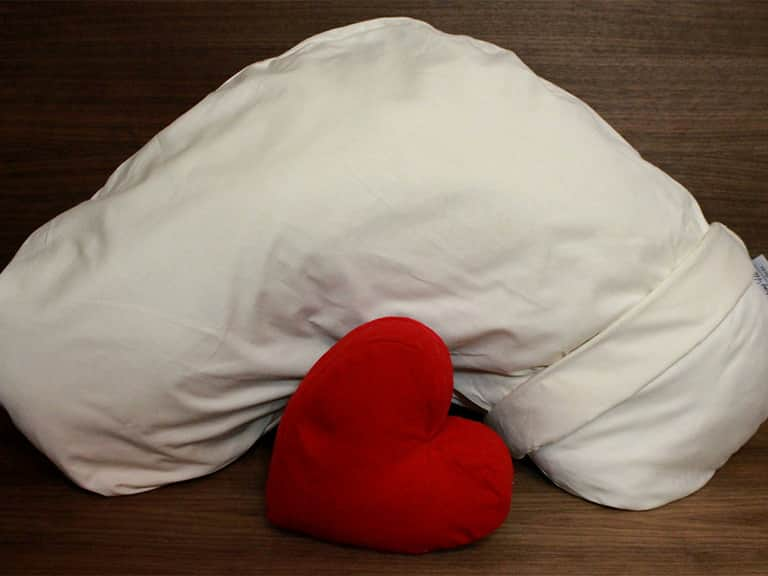
Description: The Side Dreamer Pillow combines a boomerang shape with certified organic fills to support side sleepers with firm loft, neck alignment, and a custom pillow case included. Handmade with a wool- and cotton-encased cover, it embodies GOTS certification and a thoughtful approach to sustainable comfort.

Materials: Organic fills; cover encasement is organic wool and cotton with GOTS certification.

Care: Do not machine wash; spot clean as needed.

Origin: Handcrafted from certified organic materials.

Certifications: GOTS

Price: $275.00

Note: This feature showcases a real-world example of an organic-fill pillow that aligns with the discussion of comfort, support, and sustainable materials. It complements the broader memory foam vs. innerspring analysis by illustrating how specialized pillows contribute to sleep quality in practice.

Glossary: Terms to Know

Memory Foam
A viscoelastic material that softens under heat and pressure to contour toward the sleeper’s body, providing pressure relief and motion isolation.
Innerspring / Coil Mattress
A mattress built with metal coils that offer support and lift, often combined with comfort layers for contour and temperature management.
Hybrid
A mattress that blends coils with foam or latex layers to balance support, bounce, and contour.
Pressure Relief
The ability of a mattress to distribute body weight evenly to reduce points of concentrated pressure.
Temperature Regulation
The capability of materials and design to manage heat and maintain a comfortable sleeping temperature.

Conclusion: A Personal Path to Restful Nights

The 2026 landscape of sleep science invites a nuanced approach to choosing a mattress. Memory foam and innerspring each offer strengths that can enhance rest when aligned with personal preferences and room conditions. Rather than seeking a universal winner, readers are encouraged to map their sleep priorities—pressure relief, spine alignment, temperature control, motion isolation, and budget—onto a mattress strategy that may include layered enhancements such as breathable covers, natural fills, and supportive pillows like the Side Dreamer.

As our understanding of sleep deepens, it becomes clear that the bed serves as a micro-environment: the surface, the core, the climate control, and the textiles around you all shape your nightly experience. Memory foam and innerspring remain central to this evolving conversation, while editorial clarity and consumer education empower people to design sleep environments that honor both science and personal comfort.

Further Reading and Resources

  • Sleep science foundations: circadian rhythms, sleep stages, and restorative time
  • Material science in bedding: viscoelastic foams, open-cell foams, coils, and hybrids
  • Buying guides: evaluating mattress density, coil gauge, and cover fabrics
  • Care and maintenance: extending mattress life through rotation, protection, and cleaning

Related Products

Side Dreamer Pillow

Soaring Heart

Side Dreamer Pillow

Wake up refreshed with targeted neck support and firm loft in a cozy boomerang shape, using organic fills. Handcrafted for side sleepers, it keeps your head aligned, shoulders supported, and includes a custom pillow case for easy care and lasting comfort.
Silk Travel Pillow - Pink & Ivory Stripe

Gingerlily

Silk Travel Pillow - Pink & Ivory Stripe

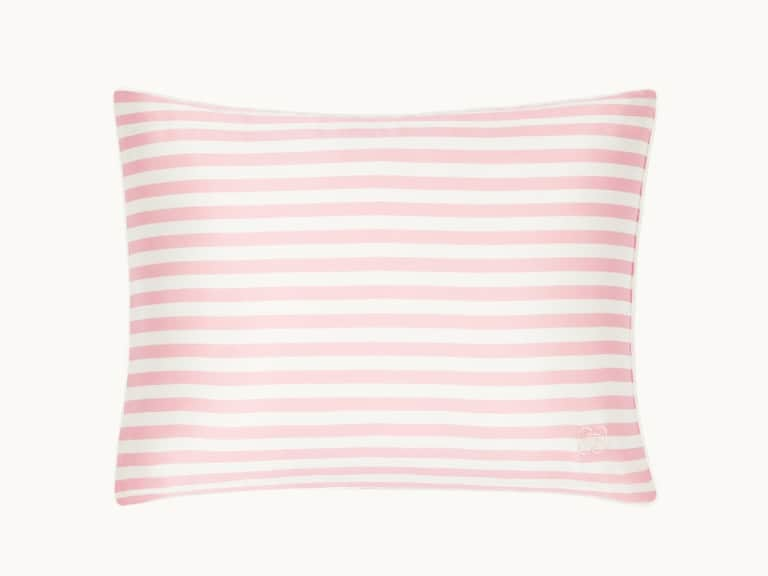
Float off to dreamland with our mulberry silk travel pillow—soft, breathable 19 Momme surface, stable loft, and a silky cotton cover for pillowy comfort on every trip. Easy packing, plush support, and silk laundry bag bonus with full set.
Rem Pillow Cases Set

Society Limonta

Rem Pillow Cases Set

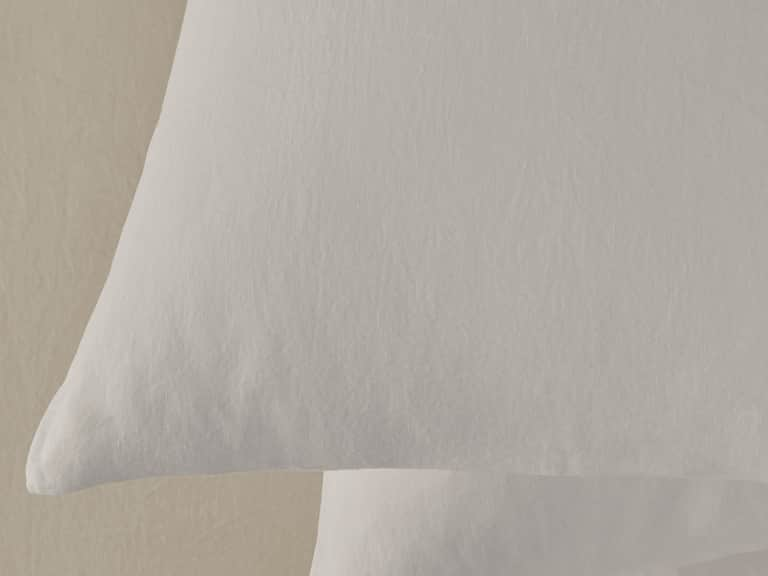
Wrap yourself in froissé linen that feels soft and breathable, staying cool in heat and warm when it’s cool. Enjoy a traditional look with modern comfort—hypoallergenic, thermo-regulating, and garment-dyed for versatile style. Includes two pillowcases.

Theme