Memory foam pillows are designed to respond to body heat and pressure, adapting to the contours of the head and neck. This conforming support can help distribute pressure more evenly during sleep. Within bedding, memory foam pillows are one option for people comparing materials, loft, firmness, and feel when considering sleep comfort.
Viscoelastic foam, often called visco foam, typically compresses under weight and gradually returns to its original shape. Pillow construction and foam density influence how a pillow feels, while loft affects the distance between the head and mattress. Sleep position, shoulder width, and mattress firmness can all inform suitable pillow height.
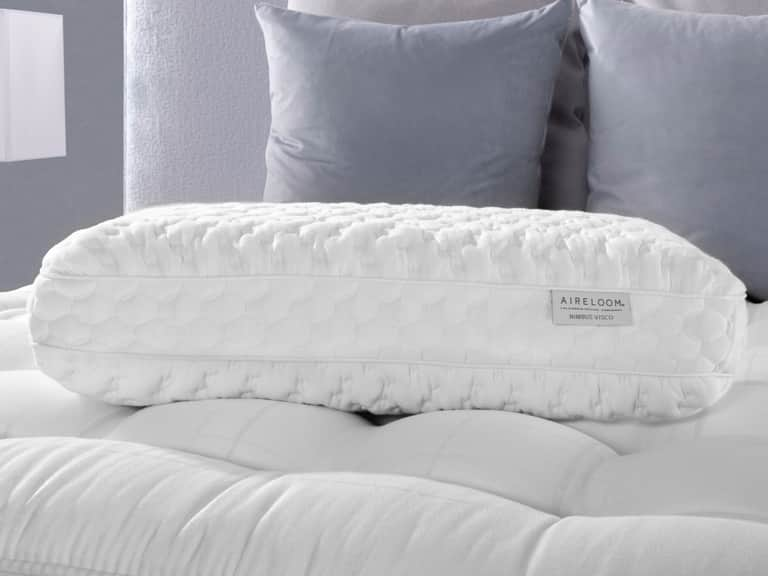
The Aireloom Nimbus Visco High Profile Pillow is a memory foam pillow identified by its visco foam construction and high-profile design. Its raised loft may provide a useful starting point for sleepers who prefer more height beneath the head. Actual comfort and alignment depend on individual proportions and sleep position.
When comparing memory foam pillows, consider shape retention, responsiveness, ventilation, cover materials, and care instructions. Foam can feel different from latex, which is generally more buoyant and responsive, or traditional fill. These distinctions also help clarify how pillow materials relate to broader bedding choices, including latex and organic mattresses.
A pillow should support a comfortable, neutral head-and-neck position without creating excessive tilt. Side sleepers often consider greater loft, while back and stomach sleepers may prefer different heights depending on their needs. Reviewing product specifications and maintenance guidance can help people assess whether a visco pillow suits their sleep routine.
 Bedding